By Oke Peter
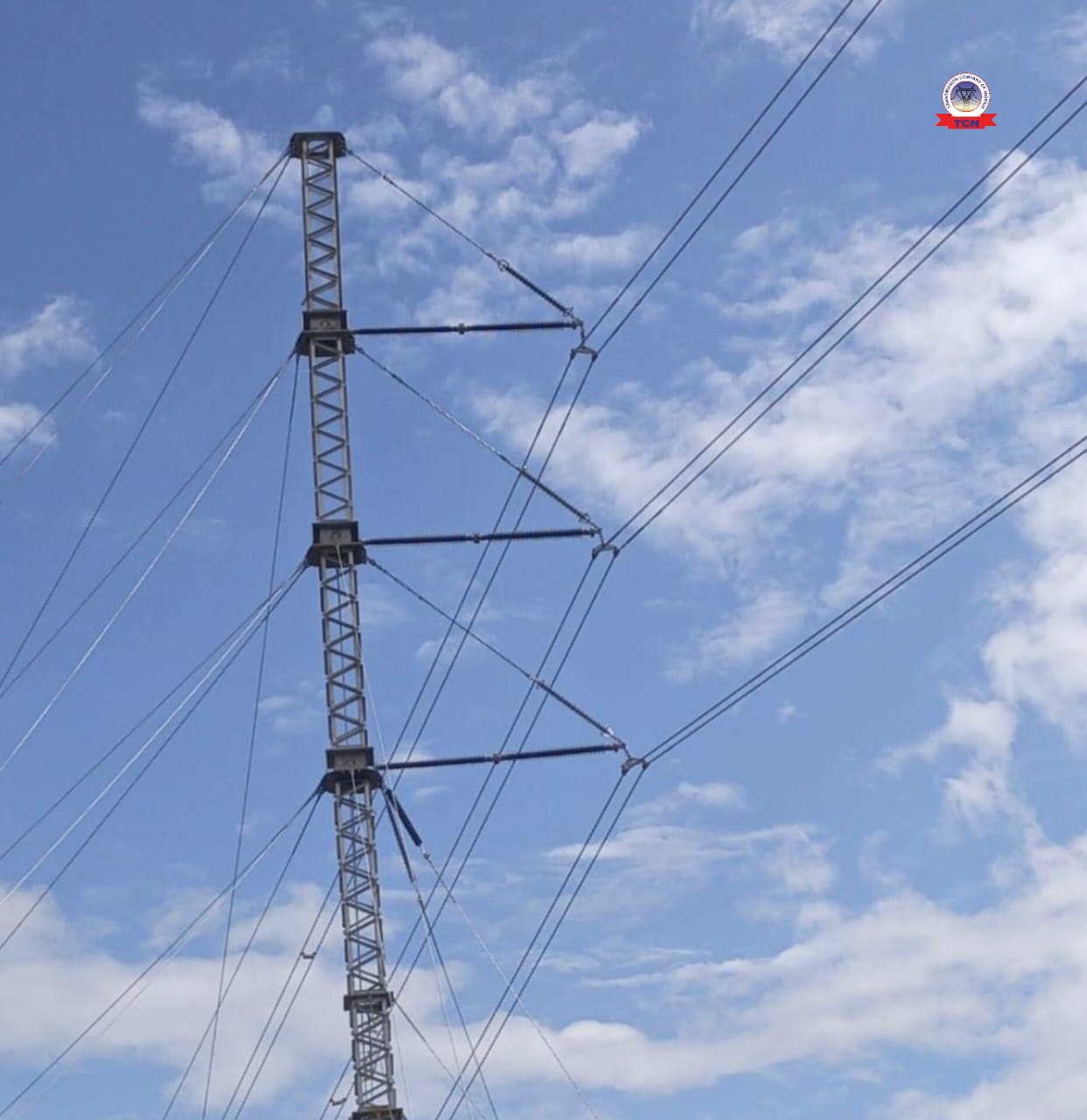
The Transmission Company of Nigeria (TCN) has disclosed that six transmission towers along the Apir–Lafia 330kV Transmission Lines I and II were vandalized, resulting in the collapse of critical sections of the power infrastructure and disruption of electricity supply along the corridor.
According to the company, the affected towers, designated T125 to T130, collapsed at about 1:15 a.m. on May 30, 2026, during a heavy downpour. Following the initial tripping of Line II, TCN carried out a trial reclosure at about 2:08 a.m., but the effort was unsuccessful.
The failed reclosure prompted a physical inspection of the transmission lines to determine the cause of the fault. The investigation revealed extensive damage to key components of towers T125 to T130, confirming that the incident was a result of vandalism.

As a result, both Apir–Lafia 330kV Transmission Lines I and II remain out of service pending the reconstruction of the affected towers. TCN said its engineers have been deployed to the site to assess the full extent of the damage and determine the materials required for immediate restoration work.
To reduce the impact of the outage, the company said the Lafia 330kV Transmission Station is currently being supplied through the Lafia–Jos transmission line as a temporary measure. This arrangement is expected to support electricity delivery to customers within the franchise areas of Abuja Electricity Distribution Company (AEDC) and Jos Electricity Distribution Company (JEDC).
TCN condemned the continued vandalism of power infrastructure, describing it as a threat to the stability of the national grid and a setback to investments made in the electricity sector. The company noted that such criminal activities have direct consequences on electricity supply and service reliability.
The transmission company appealed to host communities, security agencies and members of the public to remain vigilant and report suspicious activities around transmission installations. It stressed that safeguarding critical power infrastructure requires collective responsibility to ensure reliable electricity supply across the country.