By Adelabu Jumoke
Petrol prices across Nigeria are expected to climb to at least N1,332 per litre following a fresh increase triggered by the latest price adjustment from the Dangote Petroleum Refinery.
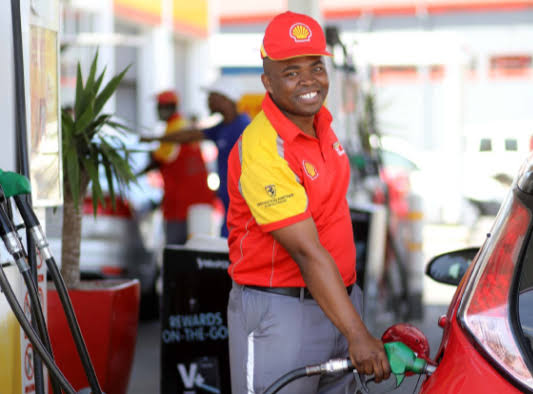
MRS Oil Nigeria Plc has already issued a revised pricing structure to its dealers, signalling what may soon become the standard pump price nationwide. Under the new template, petrol will sell at N1,332 per litre, with company delivery priced at N1,290 per litre and self-collection at N1,282 per litre.
The company also confirmed that all fuel supplies would now be sourced directly from the Dangote refinery, highlighting the facility’s growing influence over the country’s fuel distribution network.
This latest development follows yet another upward revision of the refinery’s ex-depot price, which now stands at N1,275 per litre—its fifth increase in March alone. The adjustment came just hours after an earlier rise to N1,245 per litre, marking a rapid and consistent upward trend.

In addition, the refinery increased its coastal price from N1.51 million to N1.65 million per metric tonne, reflecting higher international costs and freight pressures. The new pricing took effect from midnight on March 21, 2026, with previous rates officially withdrawn.
The refinery explained that customers with existing bank guarantees could continue to lift products, provided they cover the price difference.
The frequent price hikes highlight the ongoing volatility in Nigeria’s fuel market, largely driven by global crude oil prices and supply chain disruptions. Despite expectations that the Dangote refinery would stabilise local supply, external market forces continue to dictate pricing.
Data indicates that petrol prices have surged sharply within weeks. At the start of March, the refinery’s gantry price was N774 per litre, but it has since risen to N1,275—a jump of over 64 per cent in less than three weeks.
The ripple effects of this increase are expected to be felt nationwide, with transport fares and the cost of goods likely to rise. Meanwhile, diesel prices have also climbed, now reaching N1,750 per litre, further adding to operational costs across industries.
The surge in prices comes amid growing demand for Dangote’s products from other African countries, as global supply chains face disruptions linked to geopolitical tensions.
Overall, the continuous adjustments underscore the fragile state of Nigeria’s downstream petroleum sector, where pricing remains highly sensitive to global market dynamics.