When motorists pull up to a filling station, few stop to consider the remarkable journey gasoline has taken before reaching the pump. From crude oil trapped thousands of feet beneath the Earth's surface to a nationwide network of pipelines, refineries, storage terminals, and fuel stations, every litre of fuel is the result of a sophisticated chain of engineering, logistics, and innovation.
Here are five fascinating facts about the journey from oil well to fuel tank:
1. Some oil wells reach depths of more than 24,000 feet
Gasoline begins as crude oil buried deep underground. Before drilling starts, geologists use advanced seismic technology, which sends sound waves beneath the Earth's surface to identify potential oil-bearing formations.
Once a reservoir is located, drilling operations commence. Some wells extend beyond 24,000 feet—more than four times the depth of the Grand Canyon. In certain reservoirs, pressures can exceed 5,000 pounds per square inch (psi), over 300 times the pressure found in a typical car tyre.

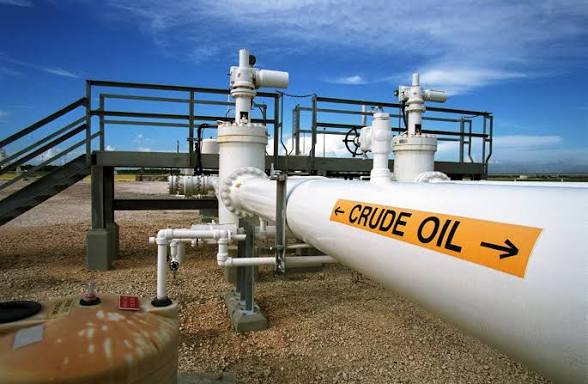
2. America's Petroleum Pipeline Network stretches over 190,000 miles
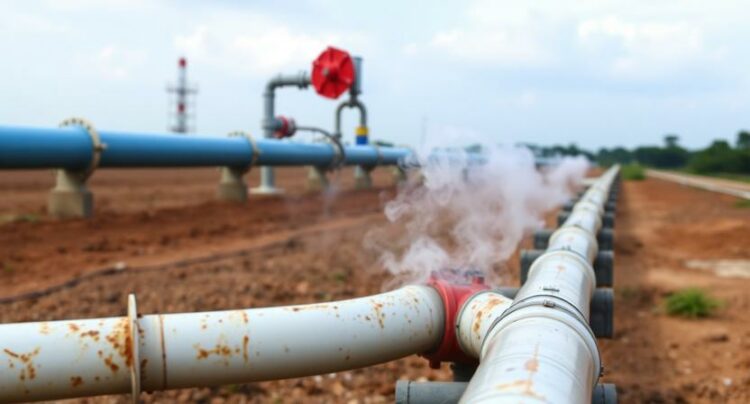
After extraction, crude oil must be transported to refineries for processing. The United States operates more than 190,000 miles of petroleum pipelines, enough to circle the Earth almost eight times.
These pipelines move crude oil and refined products efficiently across vast distances. Among them is the Colonial Pipeline, one of the country's largest fuel transportation systems, spanning approximately 5,500 miles.
3. Refining fuel requires temperatures hotter than 590°C
Crude oil cannot be used directly and must undergo refining to become gasoline, diesel, jet fuel, and other petroleum products.
The refining process involves heating crude oil to temperatures exceeding 1,100°F (590°C)—approaching the temperature of molten lava. Refineries separate crude oil into different components and blend additives into finished fuels to improve engine performance and reduce deposits.
4. The first modern Gas Station opened in 1907
Before dedicated filling stations existed, motorists purchased gasoline from general stores, pharmacies, and blacksmith shops.
That changed in 1907 when Standard Oil Company, a Chevron legacy company, opened one of America's first purpose-built gas stations in Seattle, Washington. Today, the United States is home to roughly 145,000 fuel stations serving millions of motorists daily.
5. Filling up a car in 1929 cost just a few Dollars
In 1929, gasoline sold for about 21 cents per gallon. Filling the tank of a Ford Model A typically cost around $2. Adjusted for inflation, that amount would exceed $39 today.
From oil well to fuel pump
The journey of gasoline follows a carefully coordinated path:
•Extraction: Crude oil is produced from underground reservoirs through oil wells.

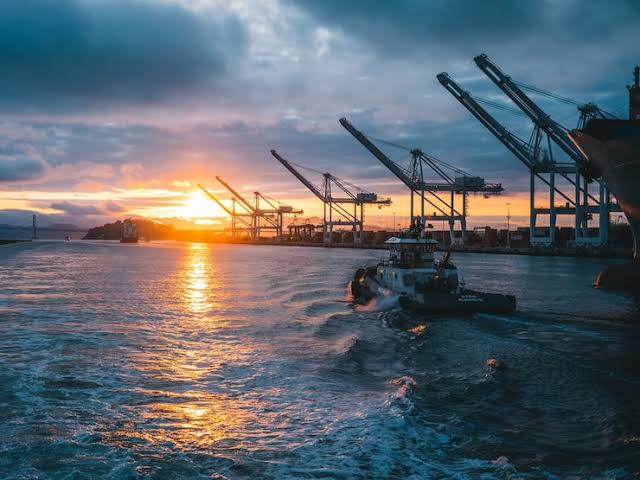
•Transportation: Pipelines, railcars, barges, and tankers move crude oil to refineries.

•Refining: Refineries convert crude oil into gasoline, diesel, jet fuel, and other products.

•Distribution: Refined fuels are transported to storage terminals and service stations.

•Consumption: Fuel is stored in underground tanks, ready for motorists to fill up and hit the road.

The next time you refuel your vehicle, remember that the gasoline entering your tank has already travelled hundreds—or even thousands—of miles through one of the world's most complex energy supply chains.
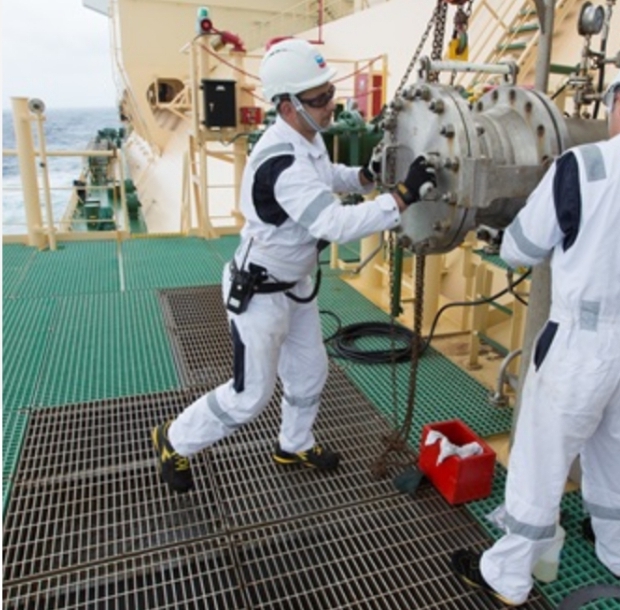
Behind every litre of fuel is a vast network of infrastructure, technology, and skilled professionals working around the clock to keep energy moving.
Source: Chevron