By Gold Jeremiah
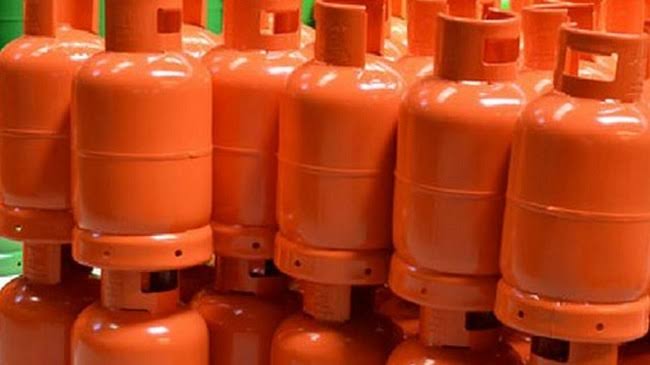
Fresh concerns are spreading across Nigeria as the price of cooking gas, also known as Liquefied Petroleum Gas (LPG), has climbed to about N2,100 per kilogram in several parts of the country, further worsening the financial burden on households already struggling with high food and transportation costs.
Checks across Lagos showed that many retail outlets adjusted their prices upward this week, forcing residents to cut down on usage or return to alternative cooking methods such as charcoal and firewood. Some consumers said the latest increase came barely weeks after previous price adjustments.
Industry operators attributed the rising cost to a combination of foreign exchange challenges, high importation costs, rising global energy prices, and distribution expenses. Nigeria still depends heavily on imported LPG despite its vast natural gas reserves, making the product vulnerable to fluctuations in the value of the naira and international market conditions.

Energy analysts also pointed to the cost of transporting the product from depots to retail stations, as diesel prices and logistics expenses continue to rise nationwide. They warned that unless local production and supply infrastructure improve significantly, Nigerians may continue to face unstable cooking gas prices.
A resident of Ikeja, Mrs. Bisi Adeyemi, described the increase as unbearable, saying many families are finding it difficult to cope with daily living expenses. According to her, refilling a small gas cylinder now consumes money meant for food and other household needs.
In Ajegunle, commercial tricycle operator Emmanuel Okoro said the development is pushing low-income earners into hardship. He lamented that many residents in his area have started reducing the number of times they cook daily because of the rising cost of gas.
Some consumers also expressed fears that the continuous increase in cooking gas prices could discourage the use of cleaner energy sources in homes, especially among low-income households that switched from kerosene and firewood in recent years.
With inflationary pressures persisting across the economy, many Nigerians are now calling on the Federal Government to introduce measures that will stabilize the domestic gas market, boost local supply, and make cooking gas more affordable for ordinary citizens.