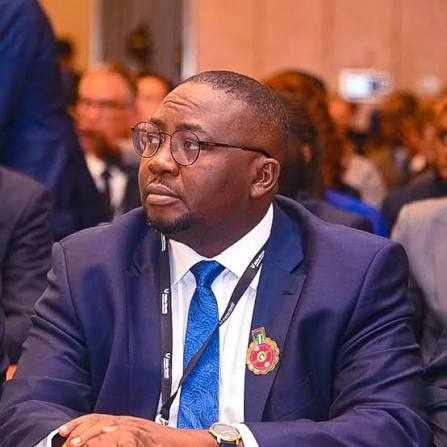
Bayo Adelabu’s tenure under Bola Tinubu combined ambitious reforms with limited real-world impact. He decentralised the sector, attracted over $2 billion in investment, boosted revenue by 70 percent, and reduced subsidies, while improving metering and achieving a record 5,800MW generation peak. However, chronic grid collapses, about 8,000MW of stranded capacity, a ₦4 trillion sector debt, and zero capital funding in 2025 exposed deep structural weaknesses. Tariff hikes further strained public trust. Despite policy progress, unreliable power supply persists, leaving Adelabu’s legacy defined by partial gains and unmet expectations in Nigeria’s electricity sector. In this piece, Oke Peter examines the gains and regrets of the power sector under Adelabu. Excerpts.
When Bayo Adelabu took office as Nigeria’s Minister of Power in August 2023 under President Bola Tinubu, he projected urgency and reform. He pledged to fix liquidity crises, expand generation, strengthen transmission, and end the long-standing inefficiencies crippling Africa’s largest economy. As he now signals a likely exit from the cabinet, his record reveals a tenure marked by policy ambition, measurable gains, and stubborn failures that refused to yield.
Adelabu’s first major move was to operationalise the Electricity Act signed earlier in 2023, pushing for decentralisation of the power sector. By 2025, about 15 states had taken steps to establish independent electricity markets, a structural shift designed to reduce pressure on the fragile national grid and attract private capital. This reform helped unlock over $2 billion in investment commitments and formed part of a broader $2.5 billion expansion plan aimed at improving supply nationwide. On paper, it was one of the boldest steps in decades.

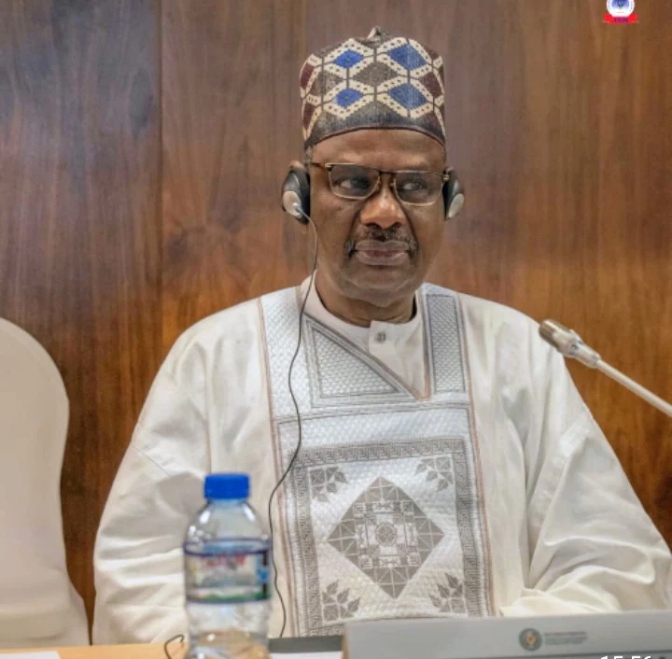
Chief Adebayo Adelabu
Financial indicators also improved under his watch, as power sector revenue rose sharply by about 70 percent in 2024, increasing collections by roughly ₦700 billion to about ₦1.7 trillion, with projections exceeding ₦2 trillion the following year. This surge was driven largely by tariff reforms, particularly the migration of high-consumption users to cost-reflective pricing. The government simultaneously reduced electricity subsidies by about 35 percent, easing a fiscal burden that had ballooned to nearly ₦3 trillion annually. For the first time in years, the sector showed signs of financial viability.
Also, installed meters rose from about 6.29 million in 2024 to nearly 7 million by early 2026, pushing the national metering rate above 57 percent. This reduced, but did not eliminate, the controversial estimated billing system that continues to frustrate millions of consumers.
Good enough, peak generation climbed to about 5,800 megawatts in 2025, the highest in Nigeria’s history, with the minister claiming a 30 percent improvement in output within one year. Access to electricity also improved marginally, rising from about 59 percent to 64 percent of the population. These gains, though notable, remained modest when measured against national demand.

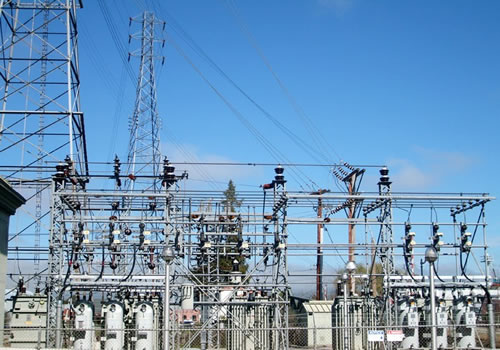
Behind these improvements, however, lay deep structural weaknesses that Adelabu struggled to overcome. Nigeria’s installed generation capacity exceeds 14,000 megawatts, yet actual delivery still hovers around 6,000 megawatts, leaving roughly 8,000 megawatts stranded due to transmission and distribution bottlenecks. The national grid, which should be the backbone of reform, remained fragile and unreliable.
Grid collapses persisted throughout his tenure, with roughly ten recorded in 2024 alone. Transmission capacity constraints meant that even when power was generated, it could not be efficiently delivered. Adelabu repeatedly acknowledged the system’s weakness, but large-scale upgrades lagged behind, largely due to funding challenges.
One of the most damaging disclosures came in 2025 when the minister confirmed that the power ministry received zero capital releases that year. This meant no new major infrastructure projects could be executed despite the sweeping reforms being announced. It exposed a disconnect between policy ambition and fiscal reality, raising concerns about sustainability.
Tariff reforms, while improving revenue, also created social and political tension. The introduction of higher tariffs for Band A customers—those expected to receive at least 20 hours of electricity daily—highlighted inequality in supply. In practice, many Nigerians paid more without experiencing significant improvement in service, eroding public trust.
Sadly, generation companies were owed about ₦4 trillion, threatening liquidity across the value chain. Despite increased revenue, the financial health of the sector remained fragile, with fears of possible shutdowns never fully disappearing.

Adelabu also embarked on several international engagements, courting investors and development partners in a bid to reposition Nigeria’s electricity market. While these efforts contributed to investment inflows and technical partnerships, the pace of on-ground transformation remained slow, reinforcing criticism that reforms were more visible in policy documents than in daily electricity supply.
As his tenure draws to a close, Adelabu’s legacy is defined by contrasts. He pushed structural reforms, improved sector revenue, and expanded investment interest. Yet he leaves behind a system still plagued by unreliable supply, weak infrastructure, and unmet expectations.
His time in office ultimately mirrors Nigeria’s enduring power challenge: progress that is real but insufficient, reforms that are bold but uneven, and a sector where promise continues to outpace performance.